

Making a Difference
At SunWay Chair, we believe every life touched by our design tells a story worth sharing. From veterans rediscovering independence to caregivers experiencing renewed confidence, these real-world stories show how thoughtful design, accessibility, and purpose-driven innovation can transform daily living.
Each story represents a collaboration of compassion — between clinicians, nonprofits, and those we serve — proving that mobility isn’t just movement, it’s momentum toward dignity and inclusion.
Real Stories of Mobility, Dignity and Inclusion
-
![]()
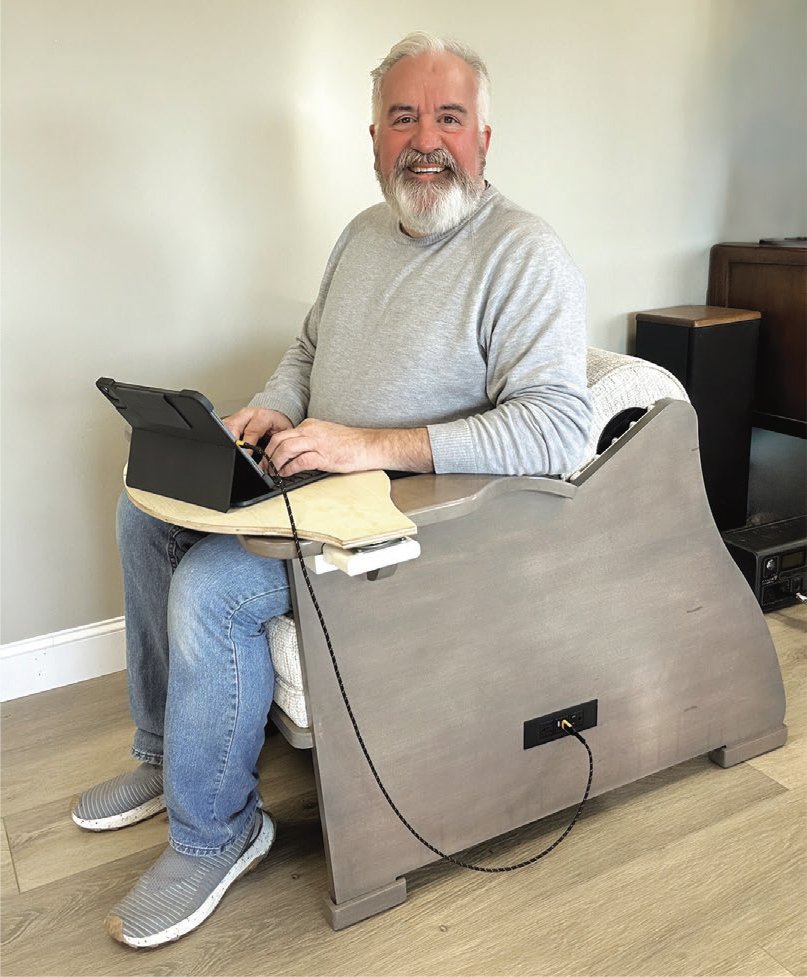
As a home health therapist, with 33 years experience, I saw how hours spent in recliners were harming my patients. That insight led me to design a chair that supports proper posture, mobility, and independence.
-
![]()
Michael Harmon discovered that the biggest barrier to recovery for older adults wasn’t age—it was the recliner. He designed SunWay Chair to turn hours of sitting into a restorative, health-supporting experience.
-
![]()
After 60 years of marriage, George’s Parkinson’s began to take a toll on his balance, strength, and independence. Excessive time in a recliner made standing and daily life a struggle for both him and Mary.
-
![]()
When Emma noticed her grandfather George struggling in his recliner, she knew something had to change. SunWay Chair helped him stand easier, improve posture, and regain alertness — bringing joy back to both their lives.
-
![]()
After a sudden illness left Alan partially paralyzed, even standing up from his favorite chair became impossible. When he discovered SunWay Chair, it restored more than his mobility — it gave them their independence back.

Giving Back to the Greatest Generation
Every day, I visit patients’ homes and find that at least 95% are sitting in recliners for most of the day. This prolonged sitting, not age or diagnosis, is the primary cause of the disabilities I see: back pain, poor posture, and reduced mobility. Even a professional athlete would show measurable health loss after sitting this way for just weeks.
The recliner culture, which became popular after WWII, has persisted despite changing work habits. While reclining feels comfortable, it sends the wrong signals to the body: semi-reclined positions lead to poor posture, disrupted circadian rhythms, and a decline in overall health.
With SunWay Chair, sitting becomes restorative. Its patented features, adjustability, postural alignment, and supportive arms allow users to maintain proper posture, engage trunk muscles, and stand more easily. Sitting correctly stops the health “leak,” and standing frequently fills the “bucket” of strength, balance, and endurance.
Designed by a physical therapist with over 30 years of experience, SunWay Chair honors the generation that sacrificed so much by turning sitting into a therapeutic, restorative, and health-promoting experience. It’s time to reimagine what sitting should be, and give back to those who gave so much.
Finding a Better Way to Sit and to Heal
When I came home from serving in the Navy, I was sure I wanted to be in the Secret Service. I learned quickly that someone from a mountain town didn’t have the inside connections needed to get there, so I turned my attention to being a game warden, and then to the highway patrol. Fate had other plans, and I’m so thankful it did, because I eventually found my true calling as a physical therapist.
When I was eight or nine, my grandmother and mother worked at what was then called The County Home. Every county in North Carolina had at least one state-funded home for older adults, with no for-profit nursing homes in sight. My grandmother and mother were the cooks at Stanly County Home, and I would go to work with them during summer breaks. We’d enter the front door, they turned left to the kitchen, and I went right, down the hall. Each door was open, revealing residents sitting quietly under a single bare light bulb. The wooden floors creaked beneath my feet, darkened by decades of use, but I wasn’t afraid. I walked slowly, pausing to visit, talk, and listen.
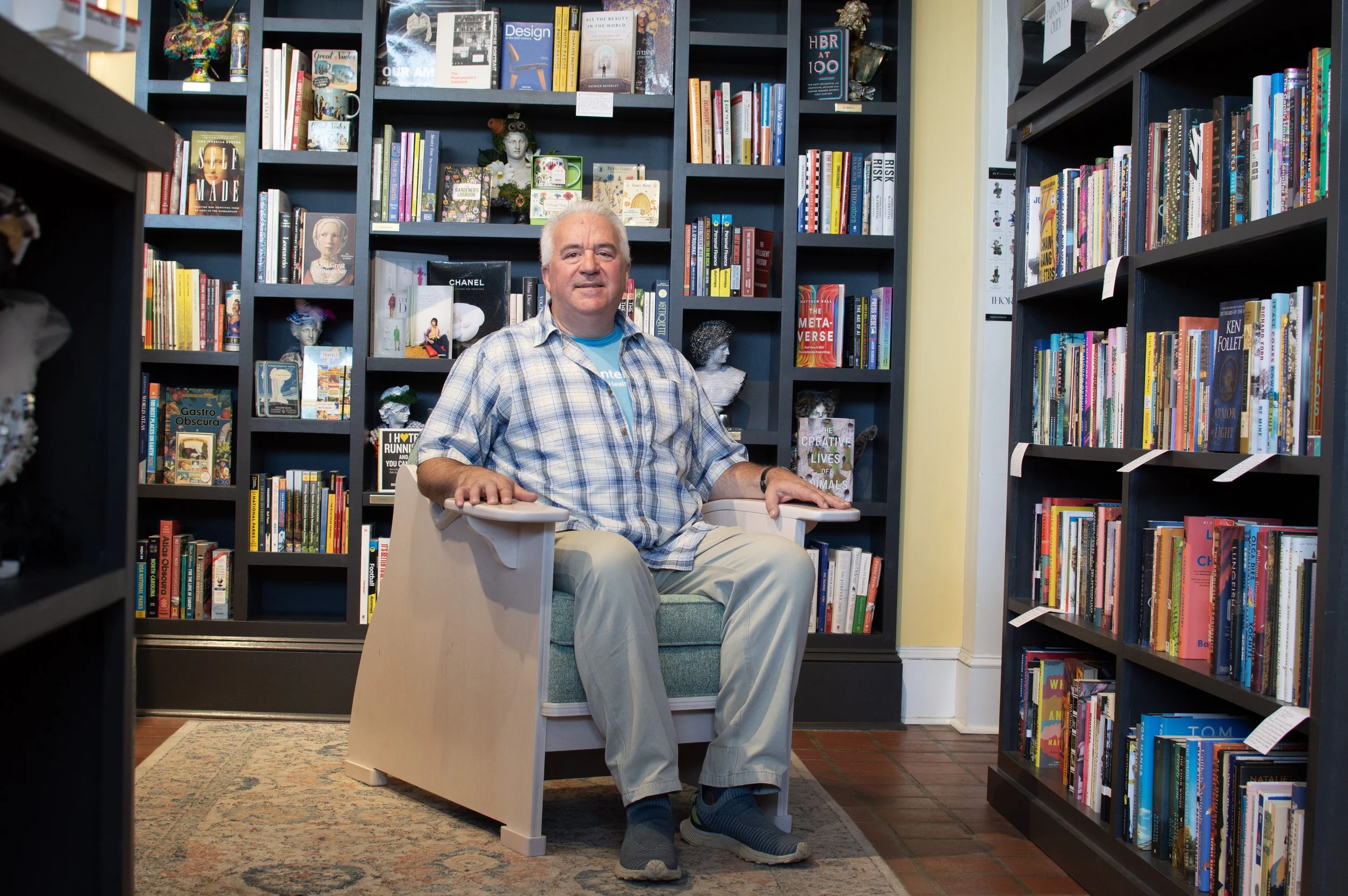
I still remember their faces. They didn’t have much, but they had dignity, and they became my friends. Those summers shaped me. I believe that’s why I take such pride in helping older adults now. In my heart, they deserve every ounce of respect and care we can give them. They sacrificed so much for others and never asked for anything in return. On days when I feel like I’ve given back, even a little, I feel genuinely fulfilled.
For 33 years now, I’ve been a home health physical therapist. Physical therapists can work in hospitals, clinics, or rehab centers, but I’ve always preferred home health because it allows me to meet people where they live—to see how they move, sit, and live day to day. That’s where I began to see patterns others might miss.
About six years ago, I began to notice that the chair itself was often the problem. Patients recovering from surgery or illness were spending hours in recliners with their hips lower than their knees, slouched backward, their posture collapsing. This position caused pain, poor balance, and difficulty standing. Recliners also mimic the posture of lying in bed, a message to the body that says, “It’s time to rest,” when what they really needed was to heal and rebuild strength.
I tried everything, adding cushions, changing angles, and modifying chairs, but nothing truly worked. So I decided to design a better chair myself. It wasn’t easy. Finding the right frame maker, perfecting the dimensions, and adjusting the angles took countless trials. But I kept going, because I could see the difference it would make for people like the patients I worked with every day.
The recliner rose to popularity after World War II, part of America’s post-war manufacturing boom and our cultural need to “put our feet up” after a long day’s work. It became a symbol of comfort and relaxation. But over time, it became clear to me that this kind of comfort came at a cost. Many of my patients were spending 11 to 13 hours a day sitting in positions that weakened their muscles, reduced circulation, and slowed recovery.
Eventually, I came to see the recliner as the reason so many of my patients were failing to thrive. I started researching proper sitting posture, what “correct” truly means, and I was shocked to discover how little thought most furniture companies put into ergonomics. The recliner industry has done a masterful job marketing luxury and relaxation, but not health. For many families, it’s the only option they think of when choosing a chair for aging parents.
That’s when I began designing SunWay Chair, a chair that promotes correct, active sitting. It supports posture, strengthens the body, and allows users to stand independently. Active sitting means the body stays engaged, the spine aligned, and circulation flowing, encouraging movement rather than stillness.
We, as caregivers, owe it to this great generation to help them live as independently as possible. But if we allow our loved ones to spend their days reclined, we undo much of the progress we strive for in therapy, walking, and daily strength training.
SunWay Chair is more than a piece of furniture; it’s a tool for restoring dignity, confidence, and independence. It’s designed to put people in the right sitting posture, keep them active, and help them thrive at home once again.

George & Mary: Finding Strength in Sitting
George and Mary have been married for 60 years. George has always been a hard worker and a devoted husband and father, prioritizing his family above all else. Retirement had been enjoyable, but at 71, George began showing signs of Parkinson’s Disease. Mary noticed his hands trembling while sitting, and he started struggling to button his shirts. Soon, he began shuffling his feet when walking, and over time, his posture worsened, making him more prone to losing his balance.
At first, sitting for long periods seemed like the safe choice, a way to prevent falls. But what felt protective soon became a trap. Hours spent in a recliner caused George to lose strength and endurance rapidly. Back pain became more frequent, and he relied on Mary to help him stand, turning simple daily activities into exhausting efforts for both of them. Prolonged sitting also led to poor circulation, swelling in his legs, and eventually a prescription for a fluid pill.
Every trip to the bathroom became a major challenge. George’s recliner, once a source of comfort, now acted like a pit he struggled to climb out of. Mary, elderly herself, faced the physical strain of lifting her husband repeatedly, leaving her worried about how much longer she could manage. The situation was taking a toll on both their health and morale.
It was in moments like these that the SunWay Chair made a difference. Designed to support proper posture, make standing easier, and engage muscles while sitting, the chair gave George a safe and active way to reclaim strength and balance. Transfers became simpler for Mary, reducing her physical strain, while George regained confidence and independence. Time spent sitting no longer worked against him—it became restorative and empowering.
With SunWay Chair, George could sit, stand, and move with less effort and greater safety. What had once been a trap became a bridge to better health, comfort, and quality of life, allowing George and Mary to continue enjoying their life together with dignity and support.
George & Emma: Rediscovering Independence
George had been living alone since his wife passed away, and his granddaughter Emma began to notice he seemed lonely and less active. He spent most of his days sitting, watching TV, and reading his favorite magazines. While he enjoyed these activities, Emma was concerned about the health risks of prolonged sitting and noticed how much effort it took for him to stand from his recliner, often having to pause to work out stiffness before he could walk comfortably.
When Emma received a flyer about SunWay Chair, a chair specifically designed for seniors and people with mobility challenges, she decided to try it, hoping it could help her grandfather regain independence and reduce his daily struggles. Once the chair was adjusted to fit his height, George immediately noticed how much easier it was to stand and sit with proper support. The patented lumbar cushion helped him sit straighter, improved his balance, and reduced stiffness, making everyday movements more comfortable.

Emma watched as George began standing more frequently, moving with more confidence, and engaging more during the day. The chair also made caregiving easier for her, giving her peace of mind knowing he was supported even during quiet moments of reading or watching TV.
SunWay Chair is more than just furniture; it’s a way to improve the quality of life, restore independence, and provide safety for our parents and grandparents who gave so much for us. For families like George and Emma, it turns everyday sitting into an opportunity for mobility, comfort, and connection.
Alan’s Story of Independence
Alan, a recently retired member of the military, woke up one morning unable to move. As his breathing worsened on the way to the hospital, doctors quickly intubated him and stabilized his condition within 12 hours. His family was devastated. Alan had always been fit and active, and they desperately wanted answers.
Dr. Jenkins soon explained that Alan had Guillain-Barré Syndrome, a rare condition in which the immune system attacks the nerves, often leading to paralysis and respiratory failure. While many people make a full recovery, Alan’s case proved more severe. After eight long weeks in hospital rehab, he was able to return home, but still weak and unable to move easily.
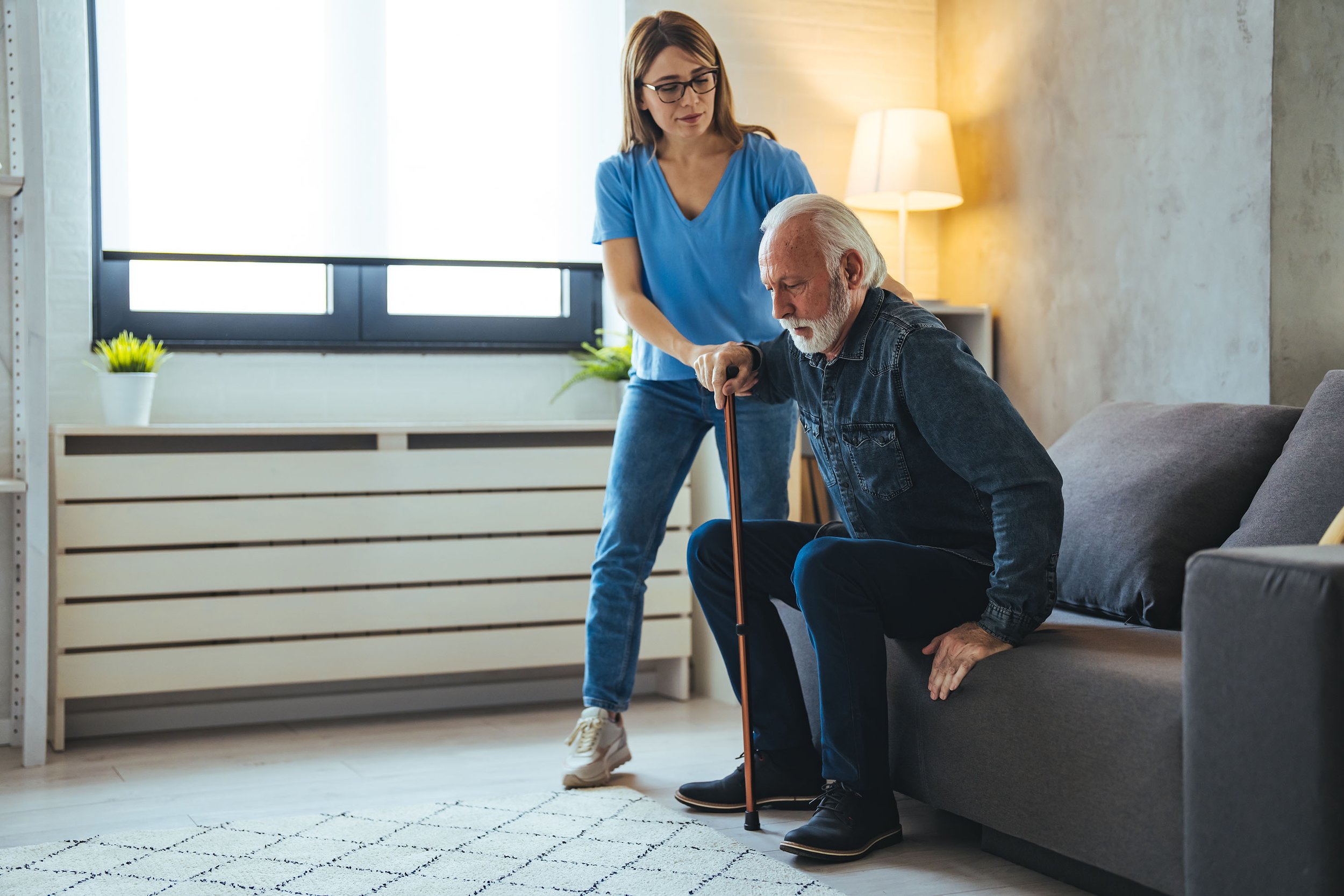
Settling into his favorite recliner felt like a victory, until he realized he couldn’t get back out. The chair was too low and soft, leaving his knees higher than his hips. Each attempt to stand failed, and he hated asking his wife, Janet, for help. She tried to assist, but the strain on her back grew worse with each effort. They tried other chairs in the house, but none offered the support or positioning he needed.
Then they heard about SunWay Chair. When I learned that a fellow veteran needed help, I personally delivered and adjusted the chair to fit him. After transferring Alan into it, I asked him to try standing. To everyone’s amazement, he stood up independently, on the first try.
The smile on Alan’s face and the tears in Janet’s eyes said it all. SunWay Chair didn’t just help him stand; it gave them both their independence back.
Connect with SunWay Chair
We’re here to help you bring innovation and dignity to everyday care.
If you’d like to schedule a demonstration, learn more about our Pilot Program, or discuss how the SunWay Chair fits into your home or facility, please reach out today.
828-726-4084
mapleleaf1888@gmail.com